
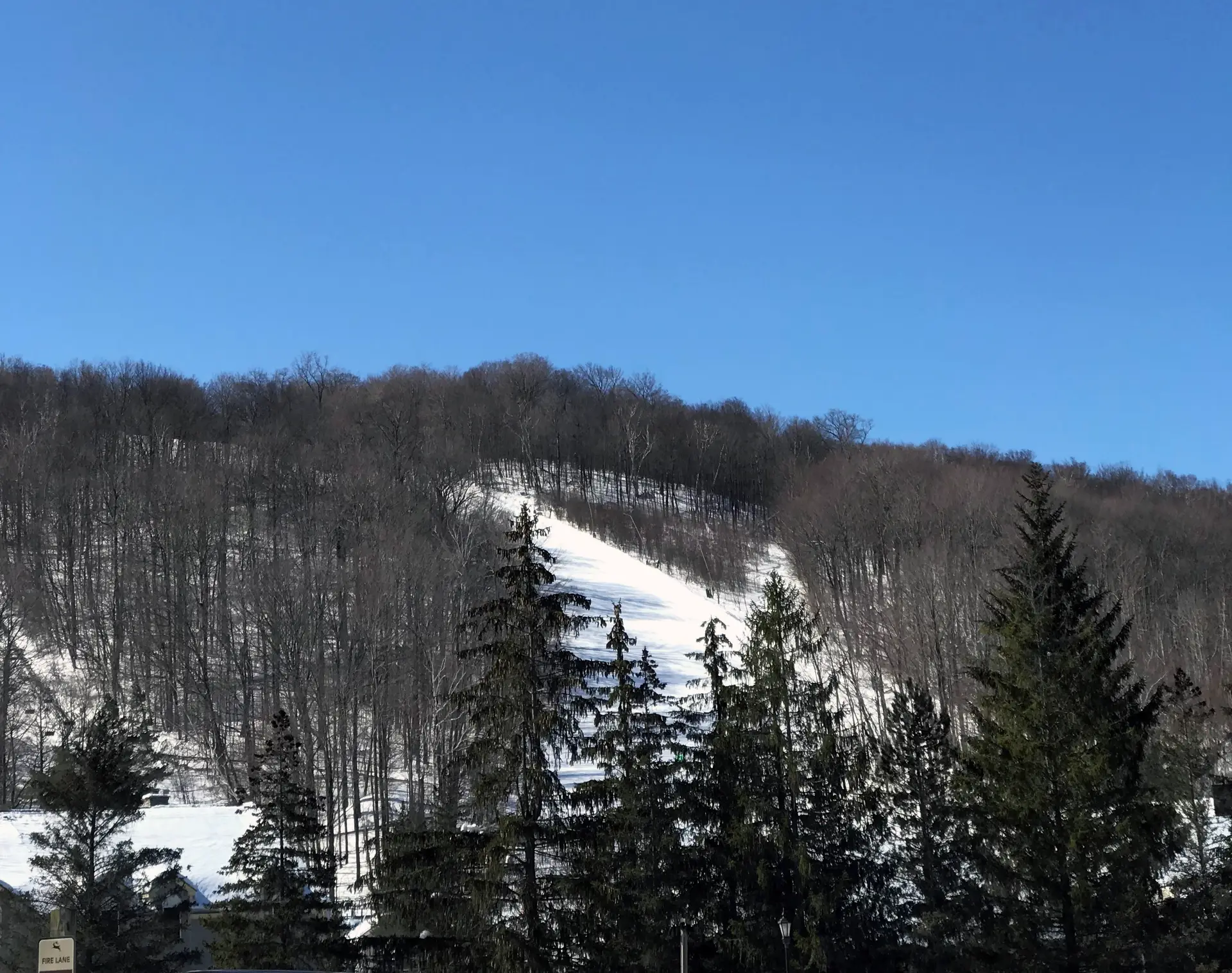
Winter can be a magical time for us photographers. The beauty of snowy landscapes, the textures of frost and ice, and the softer winter light present opportunities for stunning photographs. However, capturing the essence of winter can sometimes prove difficult. Here are some practical tips to help you photograph snowy scenes.
Master Your Exposure
Snow can confuse the camera’s metering system. This often leads to underexposed photos that look gray instead of white. Try the following:
- Use Exposure Compensation: Dial up your exposure by +1 or +2 stops to keep snow looking bright and white. Play with various settings so you have images to choose from in case you blow out your whites.
- Shoot in RAW: This allows for greater flexibility in post-processing to correct exposure issues.
Utilize Natural Light
Winter light is softer and lower in the sky. The position of the winter sun helps create beautiful, diffused light for photos.
- Golden Hour: Use the warm hues during sunrise and sunset to add depth and a warm glow to snowy scenes.
- Overcast Days: An overcast sky provides even lighting that reduces harsh shadows and enhances snow’s textures.
Highlight Textures and Details
Trees covered in frost, ice, and snowdrifts can offer details and a point of reference that makes winter photography captivating.
- Close-Ups: Use a macro lens to capture the delicate patterns of frost or the sparkle of snowflakes.
- Contrast: Look for dark tree trunks or colorful winter clothing to contrast with the white snow.
Choose the Right Gear & Accessories
Winter weather can be harsh, but preparation is key to protecting your gear.
- Protect Your Camera: Use weatherproof gear or a rain cover to shield your camera from snow and moisture.
- Carry Extra Batteries: Cold temperatures can drain batteries quickly, so keep spares in a warm pocket.
- Tripod: A sturdy tripod is neccessary for long exposure photograpy and offers stability in slippery conditions. Use a remote trigger to keep from sudden moves.
Experiment with Composition
Winter landscapes sometimes appear monotone, so don’t be afraid to get creative with your compositions.
- Leading Lines: Use paths, fences, or frozen rivers to draw the viewer’s eye into the scene.
- Rule of Thirds: Position your subject off-center to create balance and interest.
- Negative Space: Embrace the openness of snowy landscapes by incorporating plenty of white space in your composition.
Stay Safe and Comfortable
Finally, don’t forget about your comfort and safety while shooting in the cold.
- Dress in Layers: Keep warm with insulated clothing and waterproof boots. Fingerless gloves help keep your hands warm while allowing access to camera controls.
- Watch for Hazards: Be mindful of icy surfaces, snow depth, and potential slippery or falling rock areas. Icicles can present hazzards as well if they fall from above.
- Bring Warm Drinks & Take Sheltered Breaks: A thermos of tea or coffee can make your outing more enjoyable. And if you have a sheltered area, coming in from the elemnts can help make the day mor enjoyable.
Photographing winter landscapes can be fun and rewarding and lets you capture winter’s quiet beauty. By experimenting with exposure, using the natural winter light, and paying attention to details and composition, you can create powerful images that show off the beauty of the season.